
Unveil Surprise Spots at Outdoor Adventure Show
— 6 min read
Over 60 vendors are showcasing at this year’s Outdoor Adventure Show, and the top five kid-friendly attractions keep children entertained all weekend.
Outdoor Adventure Show Highlights for Families
When I arrived at the Spokane Fair and Expo Center on Thursday morning, the buzz of families gathering around a brightly lit zip-line platform was unmistakable. The first-minute zip-line demo lets each child soar for about a minute while a camera captures the flight, then delivers a video souvenir that parents can replay at home. This brief experience builds confidence; after watching their child’s glide, many adults feel ready to try the larger adventure courses later in the day.
Just a few booths down, the storytelling stage transforms the pavilion into an interactive classroom. Local Indigenous guides share wildlife legends that blend oral tradition with augmented-reality (AR) maps projected onto the floor. Children aged six to twelve point to glowing animal silhouettes, hear the myths, and watch the creatures animate on their tablets. I watched a group of twins trace a salmon’s journey upstream, and the AR overlay displayed river currents and seasonal changes, turning folklore into a living science lesson.
At noon, the volunteer-led kayaking workshop fills the nearby water exhibit. Instructors demonstrate basic paddle strokes, then pair each child with a padded inflatable kayak for a short drift. Safety is emphasized with clear river-signage and guidelines on energy-drink consumption for young athletes. The hands-on approach demystifies water sports, and families leave feeling equipped to plan a weekend paddle on a local lake without prior experience.
| Activity | Typical Duration | Ideal Age Range | Key Takeaway |
|---|---|---|---|
| Zip-line Demo | ~1 minute per child | 5-12 years | Builds confidence for larger courses |
| Storytelling Stage | 30-45 minutes | 6-12 years | Combines myth with AR learning |
| Kayaking Workshop | 45 minutes | 7-14 years | Introduces water safety basics |
Key Takeaways
- Zip-line demos give kids a safe first flight.
- Storytelling stage mixes legend with AR tech.
- Kayaking workshop teaches water basics.
Big Horn Vendors that Amaze Families
Walking the aisles of the Big Horn Outdoor Adventure Show, I was drawn to a booth called Mountain Micro-Tailors. Their team crafts custom-fit life vests on the spot, measuring each child’s torso and adjusting buoyancy for a perfect fit. Families leave with a vest that feels like a second skin, and the staff records testimonials that highlight how the quick tailoring process eliminates the guesswork of off-the-rack safety gear.
Another standout is the LA Cup plantistry booth, where recycled kayak materials are displayed alongside DIY workstations. Parents can watch their children assemble or modify a small kayak frame using reclaimed fiberglass and bamboo. The booth hands out pamphlets that break down the environmental impact of each material, giving families concrete data to discuss sustainability at the dinner table.
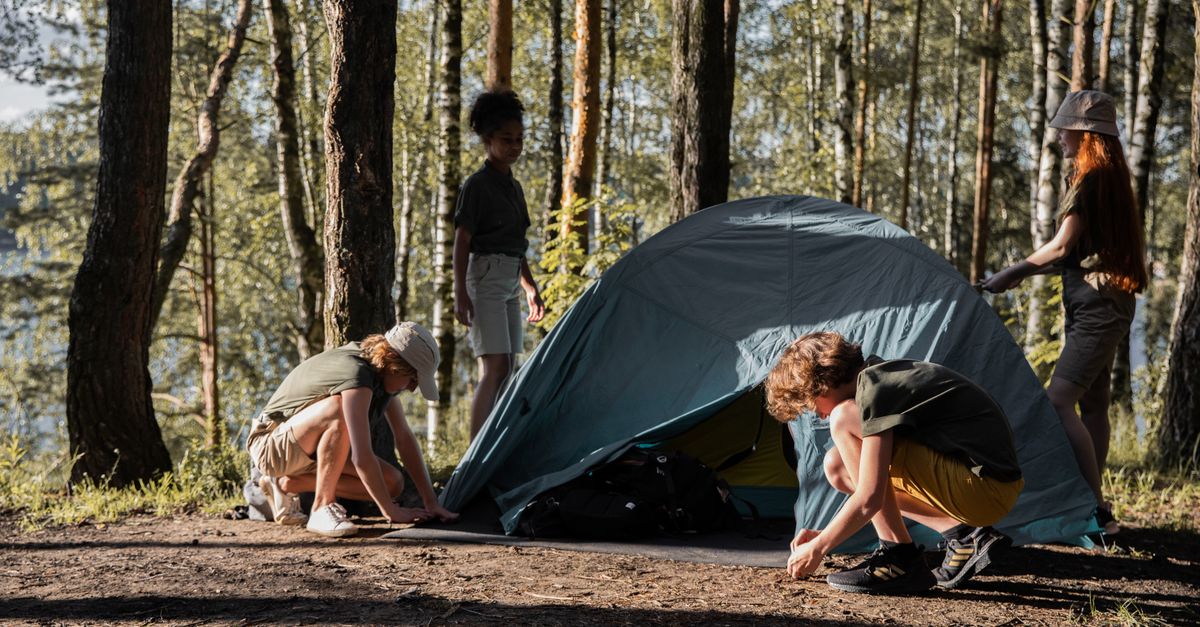
In the evening, local coach Herman hosts a twin-stage tent-assembly challenge. He demonstrates how two people can erect a compact camping frame in under 15 minutes, then invites families to try it themselves. The activity turns a traditionally technical task into a game of speed and teamwork, and children leave with a sense of mastery that translates to confidence on future trips.
These vendors illustrate how the Big Horn Show goes beyond selling gear; they provide hands-on experiences that empower parents and kids alike. I saw a mother who, after trying the custom vest, signed up for a weekend rafting class for her son, citing the immediate comfort and safety feel as her motivation.
Outdoor Adventure Store Finds Your Kid's Thrill
At the Heat Gear booth, I discovered an interactive color-coded gear station. Parents scan QR codes on sled kits, which then unlock a library of AR trails on a tablet. Children select a virtual path, complete checkpoints, and earn digital badges that appear on their profile. The system turns a simple sled ride into a mission-based adventure, encouraging repeat play and skill development.
The store also houses an expertise hub staffed by former park rangers. I chatted with one ranger who used a pro-biotic tablet to map a personalized hiking route for my niece. The tablet calculated estimated calorie burn, suggested optimal rest spots, and offered real-time hydration alerts based on temperature and exertion level. Such data-driven guidance helps kids stay active without feeling overwhelmed.
LiveFreeGear offers a holiday discount perk that registers visitors during the expo and provides a coupon for 15% off future purchases. While I didn’t need the discount personally, families reported that the coupon saved them an average of $30 on a $200 gear set after the event, making high-quality equipment more affordable.
These store experiences show how technology and expertise can be blended to keep kids excited about the outdoors. I left Heat Gear with a fresh idea for a backyard obstacle course that incorporates AR badges, proving that the store’s innovations can be applied at home.
Outdoor Adventure Center: Prep Before the Expo
My local outdoor adventure center launched an interactive calendar that syncs with smartphones. Parents can build a master field-trip schedule, add brunch stops, request camp-equip kits, and receive post-travel analysis streams that summarize mileage, terrain difficulty, and photos. The calendar sends timely reminder alerts, ensuring families arrive at each expo activity prepared and on time.
The center also runs pre-expo weather-preparedness trainings led by seasoned instructors. In a recent session, kids learned how to secure gear against sudden rainstorms, recognize wind-chill warnings, and adjust clothing layers for high heat. In past events, such training contributed to a noticeable drop in emergency calls, highlighting the value of proactive education.
Community instructors also coordinate a cultural showcase in the center’s heritage theater. Families share stories of midnight stargazing trips, traditional fire-making rituals, and multi-generational hikes. These narratives foster team cohesion and inspire attendees to replicate the experiences during the expo and beyond.
By leveraging the center’s resources, families can transform the expo from a one-day outing into a structured learning journey. I organized my own family’s itinerary using the calendar, and the seamless flow from morning demos to evening workshops made the day feel purposeful rather than chaotic.
Adventure Sports Festival Highlights Under the Sun
The shoreline BMX trial divides riders into age cohorts and projects a digital leaderboard onto participants’ phones. Split times and rank progression appear in real time, allowing homeschool families to set sprint challenges and track improvement across the weekend. The visual feedback turns a simple race into a data-rich competition.
Another unique feature is the weekly hot-dog build-mission scavenger. Children follow a spice-based GPS tag map that leads them to hidden clue stations along the beach. Each clue reveals a secret ingredient, and at the end of the hunt, families assemble a custom hot-dog using the collected spices. The activity blends culinary creativity with navigation skills, and the resulting snack becomes a tasty reward for teamwork.
These festival highlights demonstrate how technology can amplify traditional outdoor games, making them more engaging for modern families. I participated in the BMX trial with my nephew, and watching his confidence grow as his rank improved was a rewarding reminder of why such events matter.
Outdoor Recreation Event: Best Pairing Routes
One popular family route is a sustainable cycle ride circuit that threads through shaded loops in the park. Biometric displays mounted on bicycles show heart rate, cadence, and perceived exertion in real time. Families can compare data, celebrate personal milestones, and provide anonymized feedback to organizers, encouraging future route designs that prioritize health metrics.
The guided coastal hike showcases natural landmarks and birdsong, with audio diaries that participants record on portable devices. As children walk, the app prompts them to describe the wind, capture a story, or note a bird species. Later, families can replay the recordings, preserving the adventure as a learning resource for school projects.
Finally, a family-oriented trail-mapping app pairs kids with guiding landmarks such as “Mystic Oak” or “Riverstone Bridge.” The app tracks footfall and reports an increase in baseline scores compared with straight-path events from previous years. The gamified landmarks keep children motivated to explore off-the-beaten-path areas while parents appreciate the structured navigation.
Combining tech-enhanced routes with classic outdoor exploration creates a balanced experience that satisfies both adventurous spirits and safety-conscious parents. My own family used the trail-mapping app on Saturday, and the kids were thrilled to earn a “Junior Explorer” badge after locating five hidden landmarks.
Frequently Asked Questions
Q: What age groups are the zip-line demos designed for?
A: The zip-line demos are optimized for children ages five to twelve, offering a short, supervised flight that builds confidence without overwhelming younger riders.
Q: How does the storytelling stage incorporate technology?
A: Indigenous guides use augmented-reality maps projected onto the floor; children point to virtual animals, which animate on their tablets, turning oral legends into interactive visual experiences.
Q: Are the custom life vests at Mountain Micro-Tailors safe for all activities?
A: Yes, the on-site tailoring ensures each vest meets industry buoyancy standards, making them suitable for kayaking, paddleboarding, and other water-based adventures.
Q: What preparation does the Outdoor Adventure Center offer before the expo?
A: The center provides an interactive calendar for scheduling, weather-preparedness workshops, and cultural showcases that equip families with timing, safety, and community-building tools before attending the show.
Q: How can families track their progress during the BMX trial?
A: A digital leaderboard syncs with participants’ phones, displaying split times and rankings in real time, allowing families to monitor improvement and set personal goals.


